Raising children closer to nature.

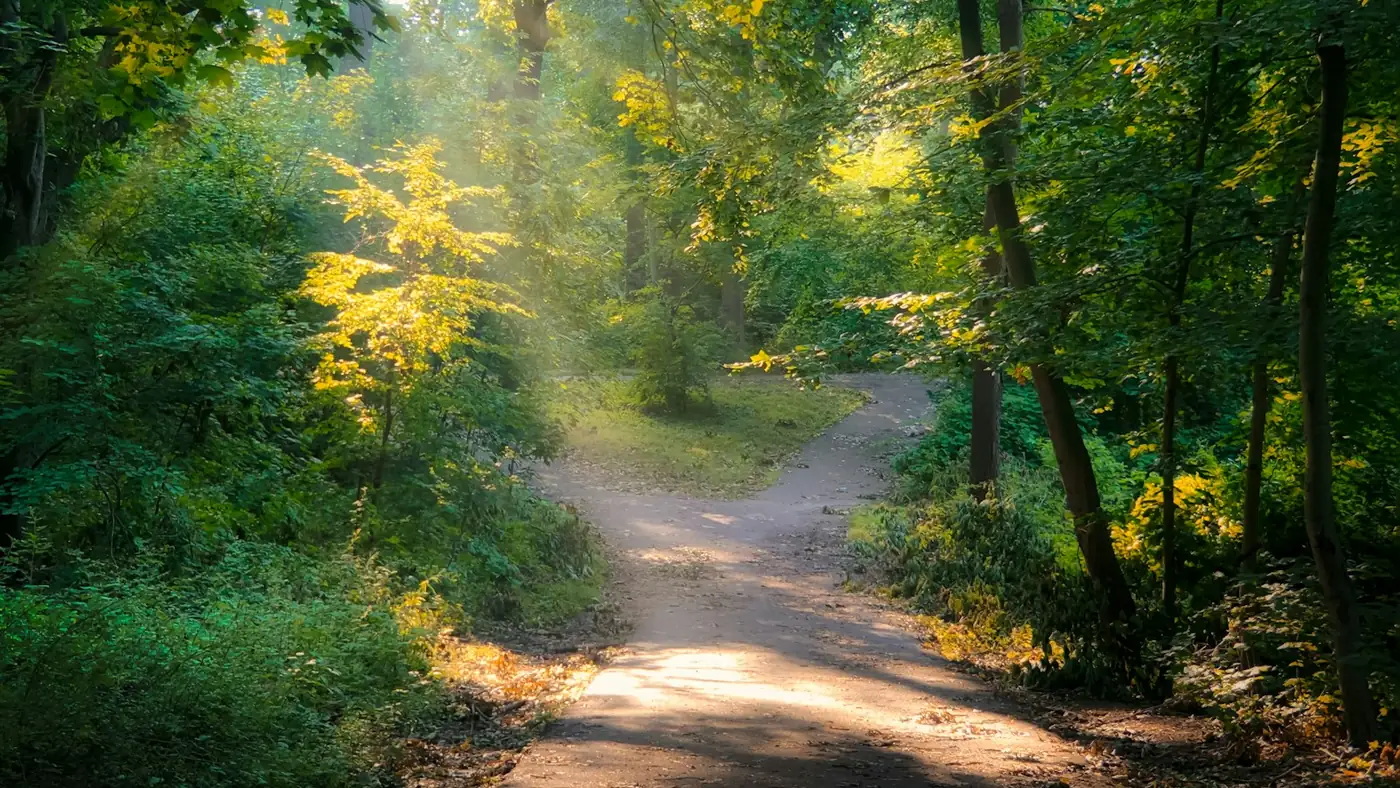
A sunlit dirt path winding through green woodland, with soft light filtering through the trees
For parents weighing the move

Raising kids closer to nature, in a new country

Honest, practical help for families swapping the city for a village abroad, from a farmhouse in Italy to a small town in Mexico. We cover schools, home education, language, health and friendships, including the parts that are harder than the photos suggest.

Why families move, and what the brochures leave out

Most parents who think about this are not chasing a holiday. They want more time outside, less traffic, slower mornings and a childhood with some mud in it. Rural Portugal and Spain, the hill towns of Italy, the highlands of Mexico or the valleys of Costa Rica can all offer that. The paperwork differs; the questions a family must answer are remarkably similar.

Illustration: a sun over rolling green hills, a leafy tree, a small white house with a red roof and a child's kite in the sky
What often goes well
  • Children spend far more time outdoors, often without being asked.
  • Young children pick up the local language faster than their parents.
  • In many southern European and Latin American cultures, kids are welcome almost everywhere, including restaurants late in the evening.
  • Local public schools are usually free, and village schools are often small and personal.
What is often hard
  • Rural isolation, especially for teenagers who cannot drive.
  • Paperwork that moves at its own pace, in a language you are still learning.
  • Specialist services, such as speech therapy or special-needs support in your language, cluster in cities.
  • Heat, wildfire seasons, storms or rainy seasons that shape daily life.
  • A lonely first school year for an older child without the language.

None of this is a reason not to go. It is a reason to plan around your child's age and temperament rather than the view from the terrace.

School options abroad: local, international and nature-based

School is usually compulsory for foreign children who live in a country, not only for citizens. In Portugal, Spain and Italy it starts at 6 and runs to 18 in Portugal, 16 in Spain and Italy; in Mexico pre-school is already compulsory. Most northern-hemisphere years start in late August or September, while Costa Rica's runs from around February to December.

Free and local

Local public schools

The quickest route into village life. Lessons are in the local language, and many systems offer extra language support for newcomers: Portugal, for example, runs Portuguese as a Non-Native Language from first grade to the end of secondary. Quality varies by school and teacher, as it does anywhere. Visit, ask how last year's newcomers were supported, and talk to parents at the gate.

Fees apply

International schools

Mostly clustered around capitals, big cities and popular coasts, with far fewer choices inland. They teach in English or another language and follow British, American or International Baccalaureate programmes, which helps if your child is older or you may move again. Fees are significant, and a long daily drive from a rural home can undo much of the reason you came.

Growing scene

Forest schools and nature-based education

Outdoor kindergartens, forest programmes and alternative schools, often started by parents, now exist in many countries. For under-6s they can be wonderful. For school-age children, ask one question first: is this a recognised private school, or are the children legally home-educated and attending as an activity? In a country where home education is not permitted, only the first answer works.

Enrolling a foreign child: what usually happens. You apply through the local school, town hall or regional education office. Expect to show proof of address (in Spain, registration on the town's padrón), a passport or birth certificate, vaccination records and past school reports, sometimes translated. Mexico's General Education Law tells authorities to ease access even when a child lacks documents. Placement is often by age rather than past results.

Home education: check the law where you are going

This is where families get caught out most: a well-trodden legal route in one country can be no option at all across the border. A few examples, checked in September 2026:

  1. Portugal: legal and regulated. Under Decree-Law 70/2021, amended in 2025, your child stays enrolled at a school, the parent teaching needs at least a bachelor's degree, and learning is followed through a portfolio and certified by end-of-cycle exams.
  2. Italy: legal with an annual declaration. Parents declare each year to the nearest school head that they can provide the education, and the child sits an annual aptitude exam (esame di idoneità) as an external candidate to move up a grade.
  3. England: legal, with few formalities. You tell the school if you are withdrawing your child, you do not have to follow the national curriculum, and the council can make enquiries if it doubts the education is suitable. A compulsory register of children not in school has been under discussion, so check the current position.
  4. Spain: legally grey. The law requires schooling from 6 to 16 and the Constitutional Court upheld that in 2010, yet home education is not a crime and some regions handle it case by case.
  5. Mexico: no recognised route. The General Education Law obliges parents to make sure children attend school for compulsory education, and there is no national home-education framework. Distance programmes and foreign schools are sometimes used, but that is not legal recognition. Take local advice.
  6. Germany: effectively not permitted. School attendance has been compulsory since 1919, and exceptions are rare.

Other countries sit all along this range; France, for example, has required prior authorisation since 2022. Read the education ministry's own guidance for your destination, and talk to the local school early rather than assuming you can "start home education later".

Online schools are not automatically home education. A school based in another country may not satisfy compulsory schooling where you live. Ask local authorities first.
Moving with children, by age

The same village can be paradise for a four-year-old and exile for a fourteen-year-old. Pick your child's age for what matters most.

Babies and toddlers

Often the easiest age to move. Register with local health care as soon as you are eligible, bring vaccination records and ask how they map onto the local schedule, and look for a nursery early, because rural places are limited almost everywhere. Market days and the village playground are where you meet other parents.

Learning a new language: what to expect

Children rarely learn a language from lessons. They learn it because they want to play. Expect a silent period of weeks or months where your child understands far more than they say. It is normal, and it passes.

  • Get them into one local activity outside school: football, dance, scouts or swimming.
  • Keep your home language alive. A strong first language supports the second one.
  • Learn alongside them. Children notice when their parents are trying.
  • Check which language the school actually teaches in. In parts of Spain many lessons are in Catalan, Basque or Galician as well as Spanish.
  • Online videos may use Brazilian Portuguese or another country's Spanish. Fine for listening; the local accent comes at school.
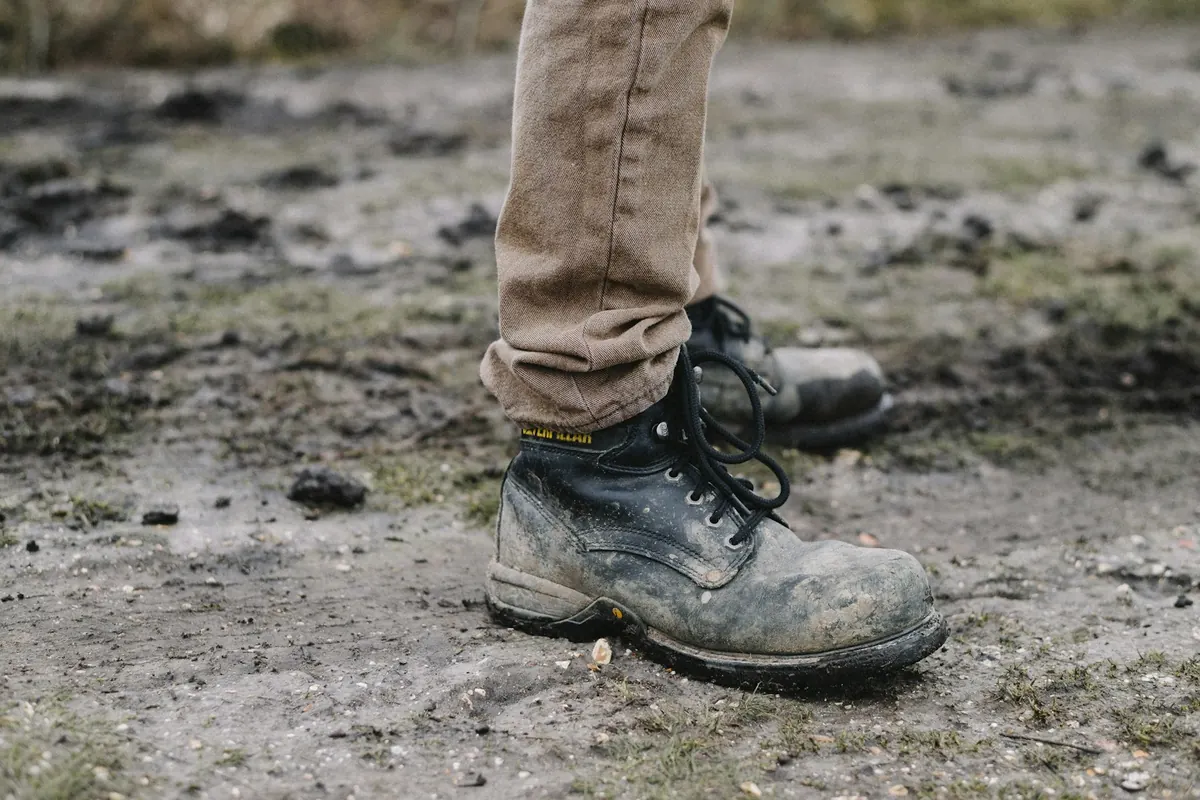
A well-worn, mud-caked boot standing on a damp dirt path

Outdoor childhood and a screen-light family life

Living near a forest does not make a nature-first childhood automatic. Rural kids have phones too, and a long, hot or rainy afternoon indoors pulls everyone towards screens.

  • Shape routines around the local climate: early mornings and evenings outside in hot seasons, long middays in cooler ones.
  • Give children real jobs: the vegetable patch, the chickens, the log pile.
  • Agree screen rules before the move, while everything is new anyway. Starting a habit is easier than breaking one.
  • Find water. River beaches, lakes and public pools make summer bearable. Check local swimming advice first.

Health and safety for children in the countryside

Access depends on the country and your residence status. In Portugal, resident children can register with the national health service at the local health centre, and the national vaccination programme is free. Spain and Italy also give resident children public primary care, usually with a paediatrician for the youngest. In Mexico and Costa Rica many foreign families combine public services with private insurance. Register early, bring translated vaccination records, and find the nearest children's emergency service before you need it. The emergency number is 112 across the EU and 911 in Mexico and Costa Rica.

Rural hazards worth teaching children about:

  • Sun and heat. Inland summers can be fierce. Plan outdoor time for mornings and evenings, with hats and water always.
  • Wildfire. Follow local rules on burning, keep the land around your house cleared as required, and have a family plan you have practised.
  • Creatures. Around the Mediterranean, pine processionary caterpillars cause painful rashes in late winter and spring; in parts of Mexico, scorpions are a real risk to small children. Learn what lives near you and what to do.
  • Ticks and mosquitoes. Check children after walks through long grass, and in tropical areas ask about mosquito-borne illnesses such as dengue.
  • Water. Rivers, irrigation tanks and unfenced pools are part of rural life. Swimming lessons are worth prioritising.
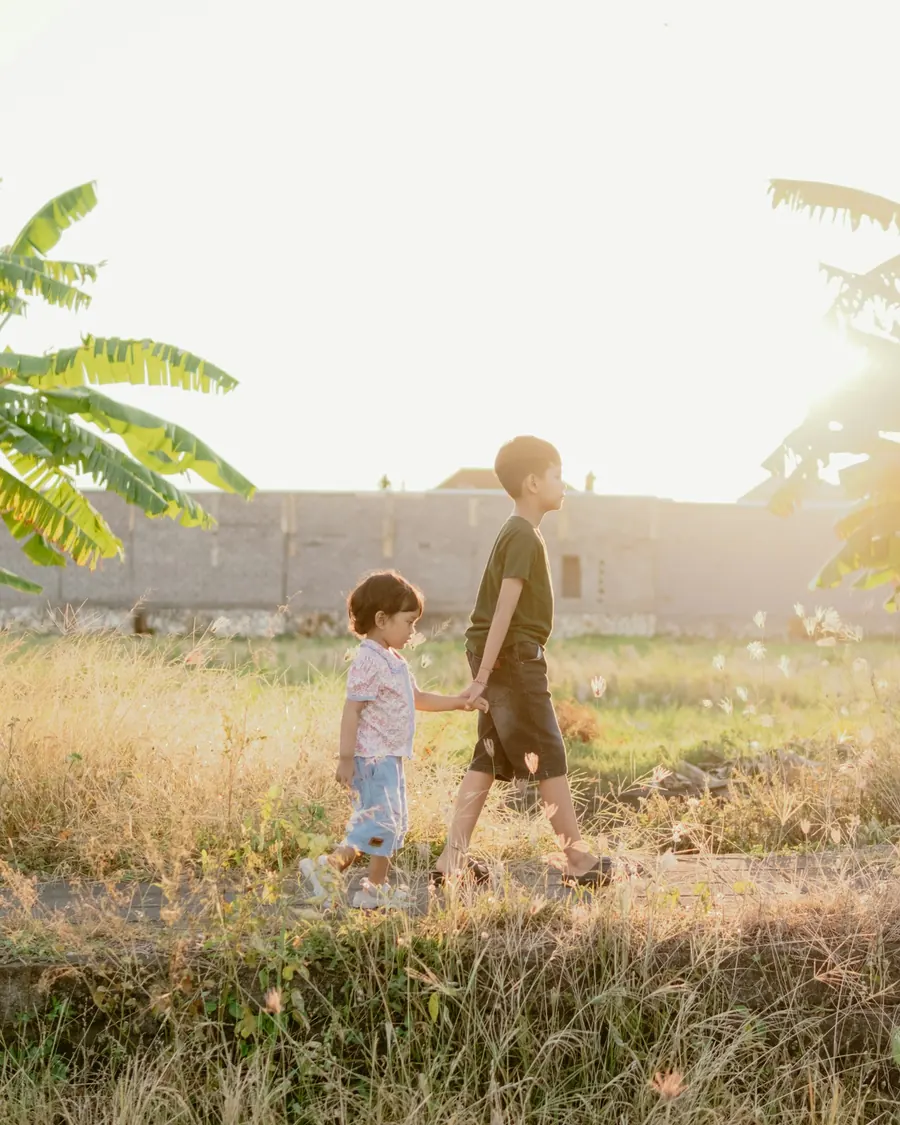
Two young children holding hands as they walk through tall golden grass in evening light

Making friends in a new country

This is the part parents underestimate most, for their children and for themselves. Friendships in a village are built slowly, face to face, and usually through children.

  • Say yes to every invitation in the first year, especially birthday parties.
  • Go to the local festivals and saints' days. That is where everyone meets.
  • Join something local as well as any English-speaking group. A mix is healthier than either alone.
  • Watch older children for loneliness. It often hides behind "I'm fine".
  • Plan visits from friends back home, but not so many that your child never quite lands.

Frequently asked questions

Is home education legal in other countries?

It depends on the country: legal and regulated in Portugal and Italy, legal with few formalities in England, uncertain in Spain, effectively not permitted in Germany, and without a recognised route in Mexico. Check your destination's education ministry first.

What age do children start school abroad?

In Portugal, Spain and Italy compulsory schooling starts at 6; in Mexico pre-school is already compulsory. The leaving age varies too: 18 in Portugal, 16 in Spain and Italy.

Do local schools help children who do not speak the language?

Many do. Portugal, for example, offers Portuguese as a Non-Native Language from first grade to the end of secondary. How well support works depends on the school, so ask how last year's newcomers were helped.

Are forest schools recognised?

Some are licensed private schools or kindergartens. Others are informal, so school-age children attending must be legally home-educated, which only works where that is allowed. Ask before you enrol.

Can foreign children use public health care?

Usually, once you are legally resident. In Portugal, for example, resident children register at the local health centre. Rules differ by country, and many families add private insurance.

What is the best age to move abroad with children?

There is no perfect age, but moves are usually easiest before about 10. Early teens tend to find it hardest, and arriving at 15 or 16 carries real risk if your child will sit national exams in a language they are still learning.

Official sources worth bookmarking

Rules change, so check the originals (most are in the local language):

This page is general information, not legal advice. Last checked September 2026.